- ENWORLDING
-
April 18 - June 6, 2026
-
Works by Takira Verity
Bolton, Bahman Fakouri, Amir Rahsaz, Debra Rushfeldt,
Joanne Sale, Jesse Weemering and Sylvia Ziemann,
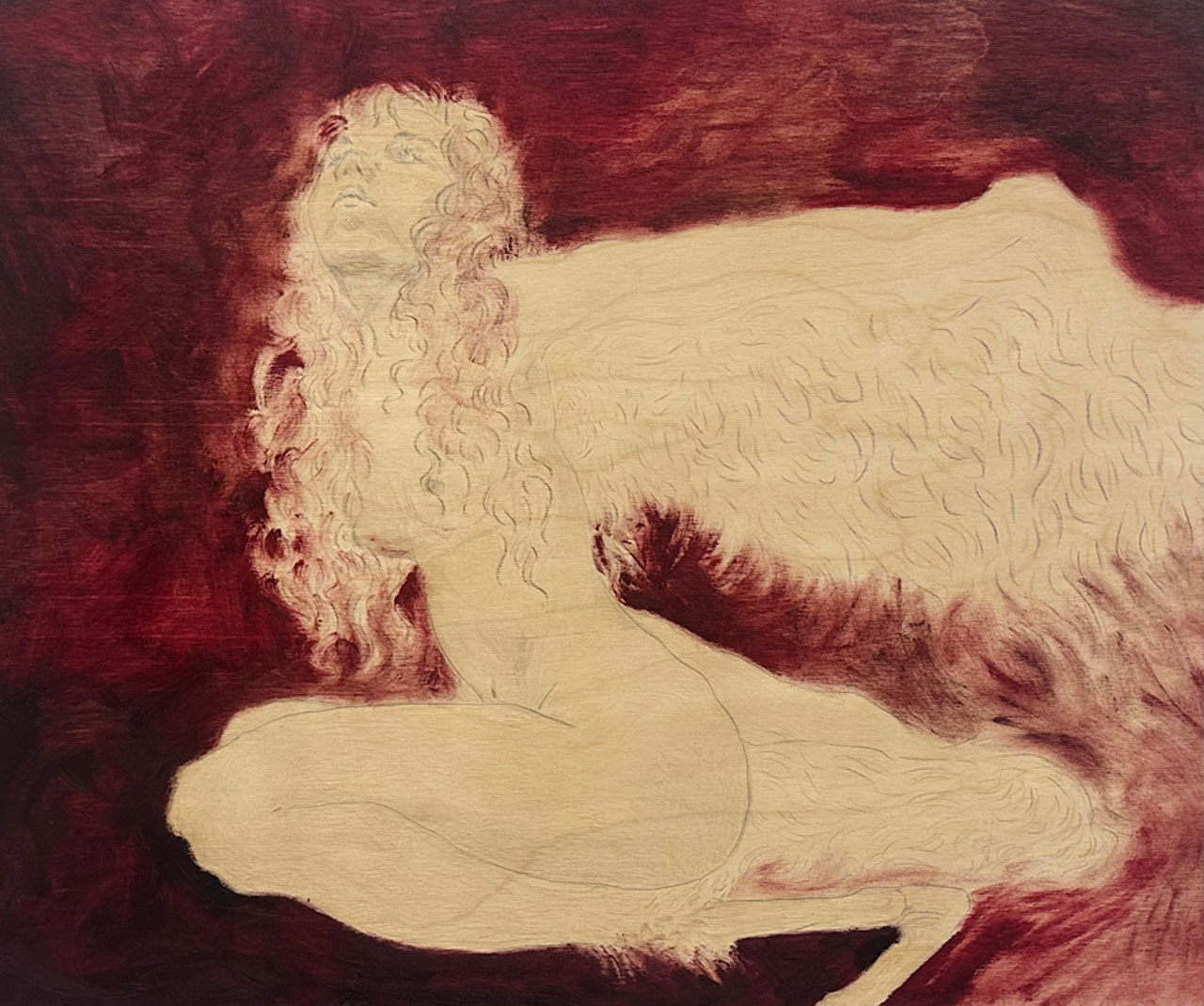
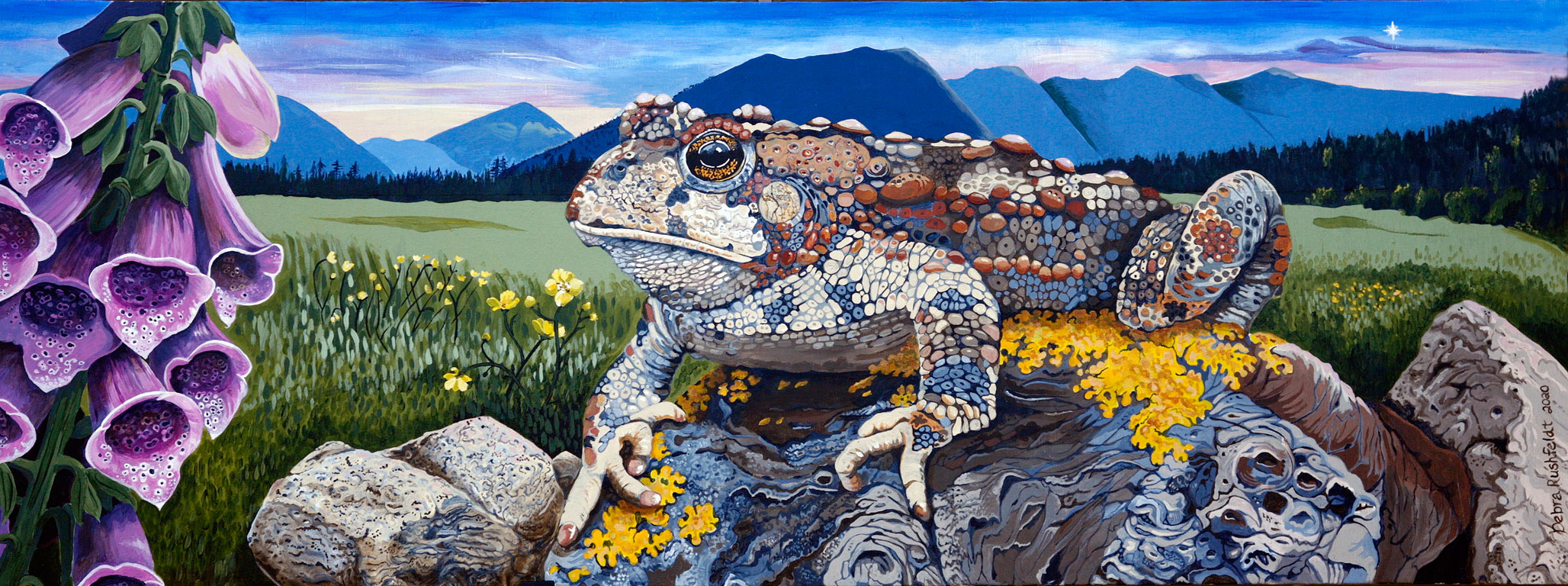
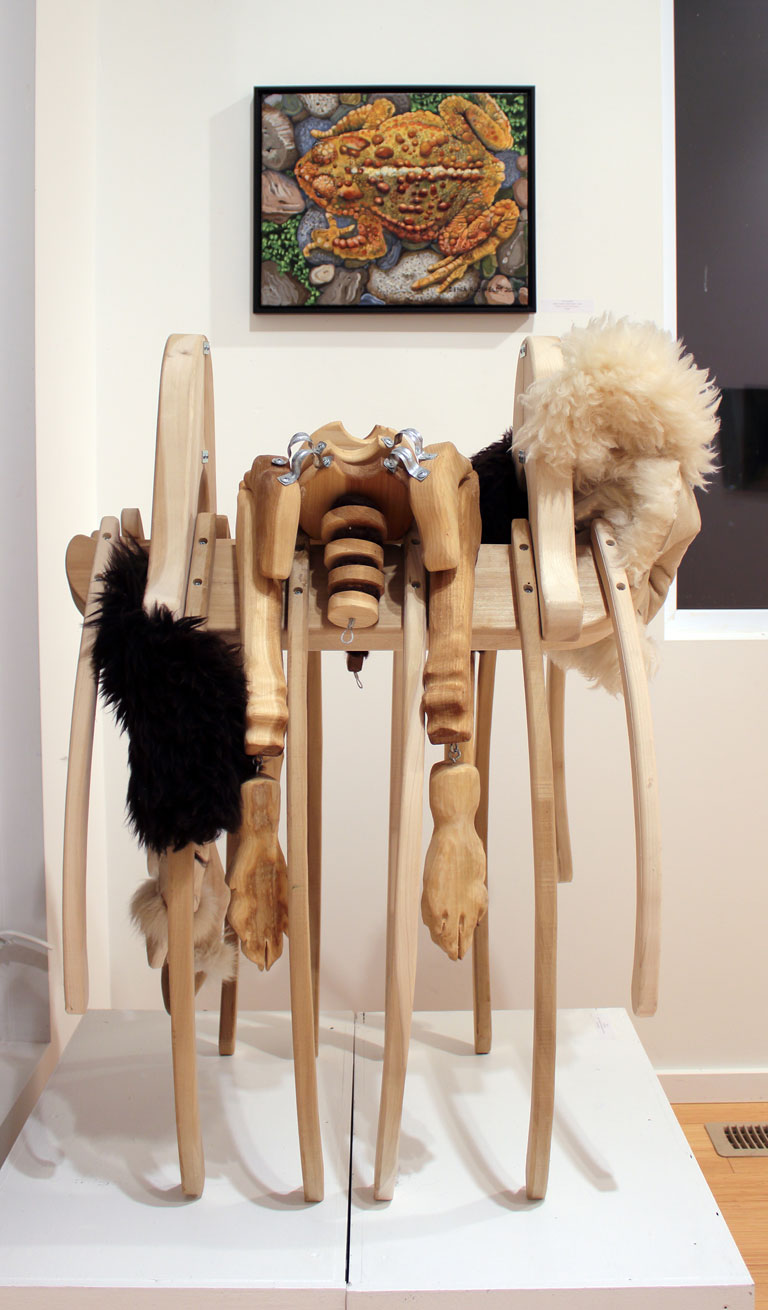
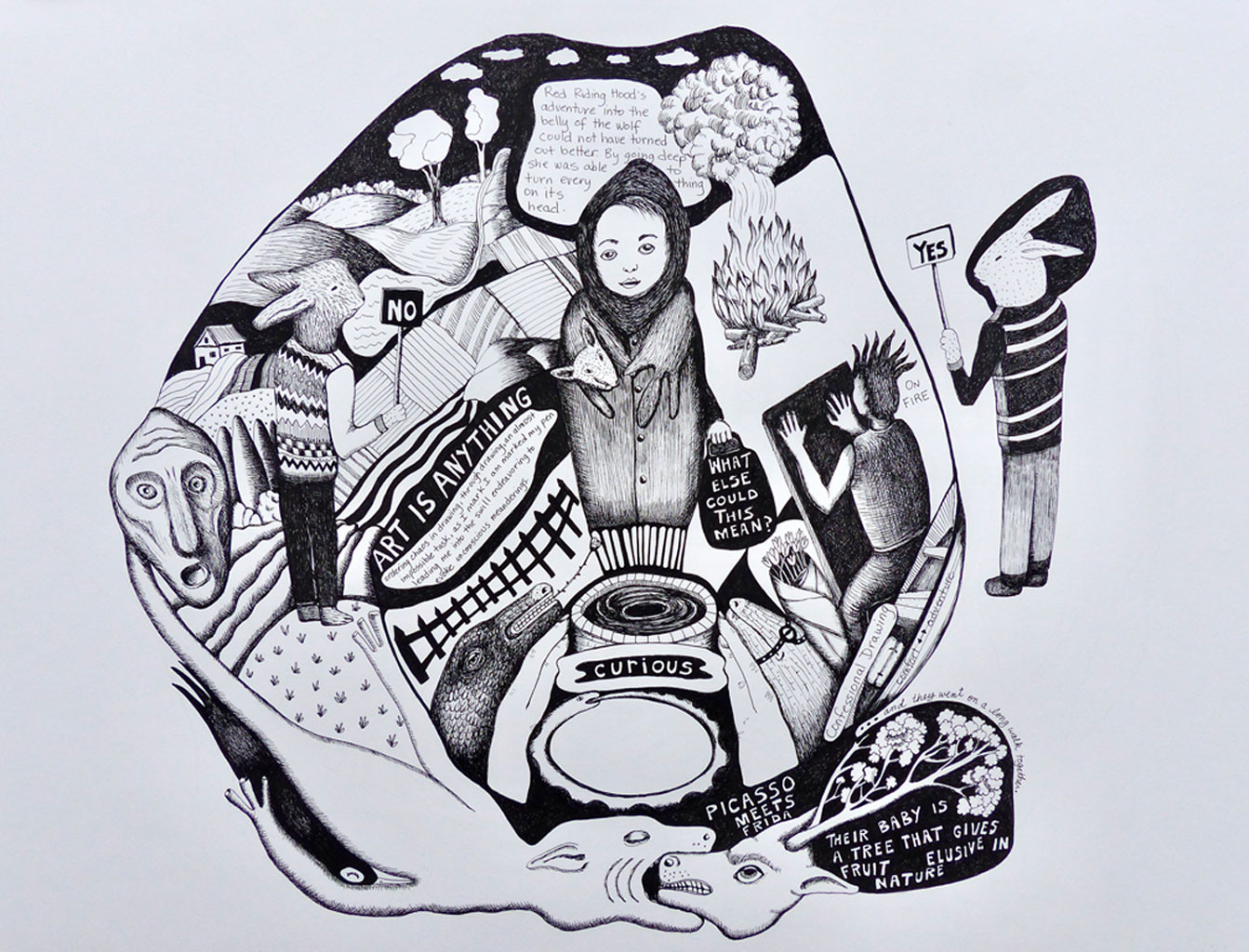
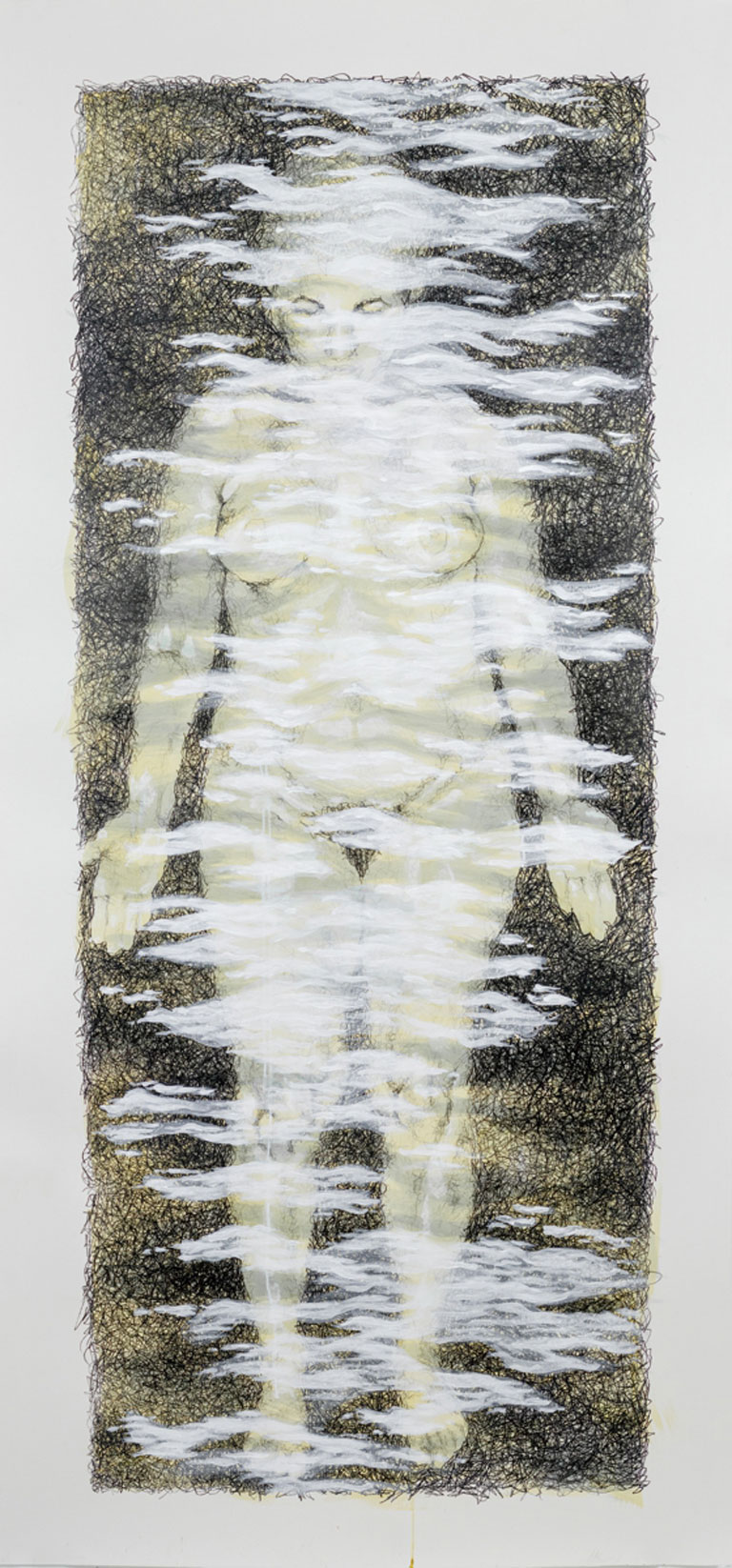
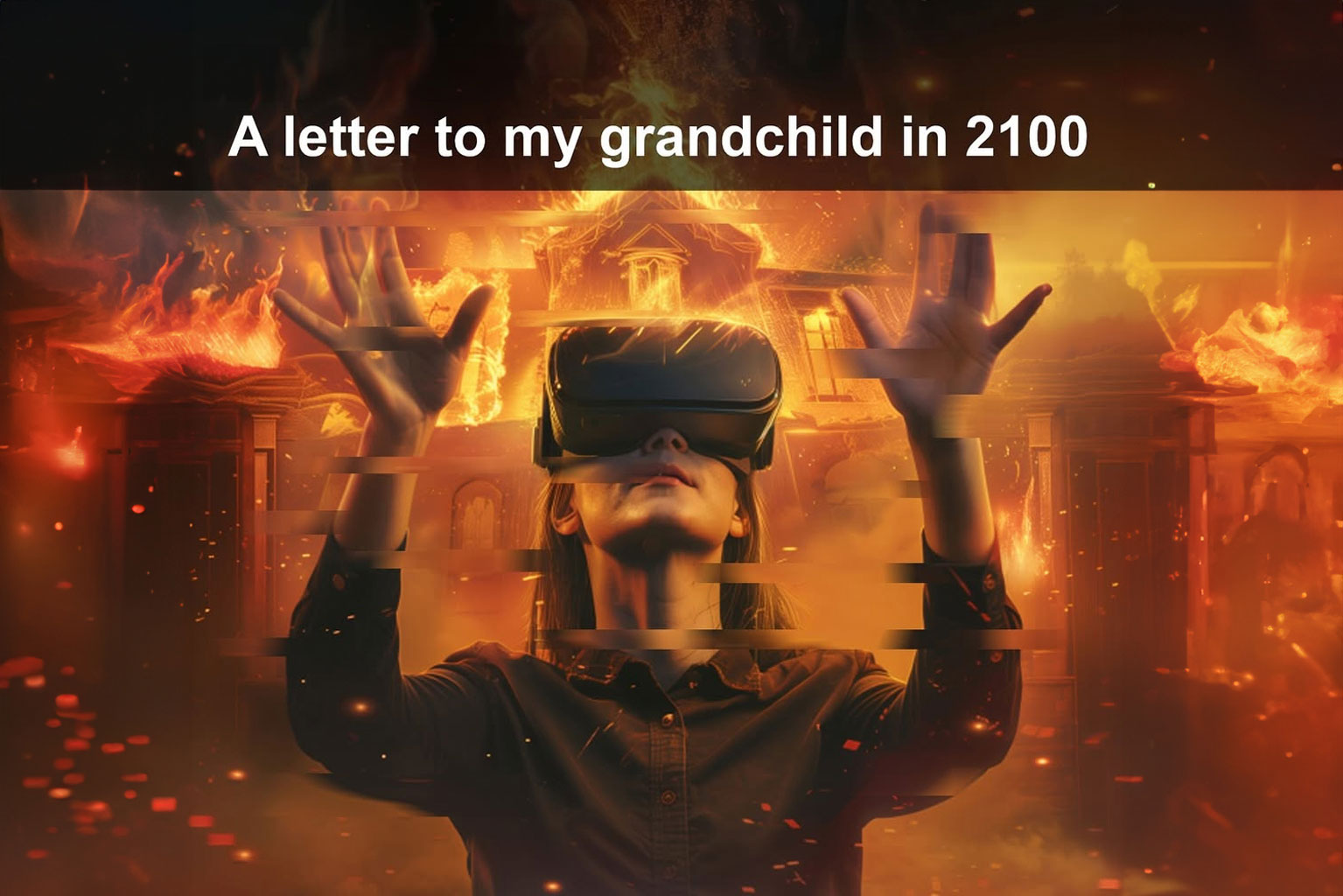
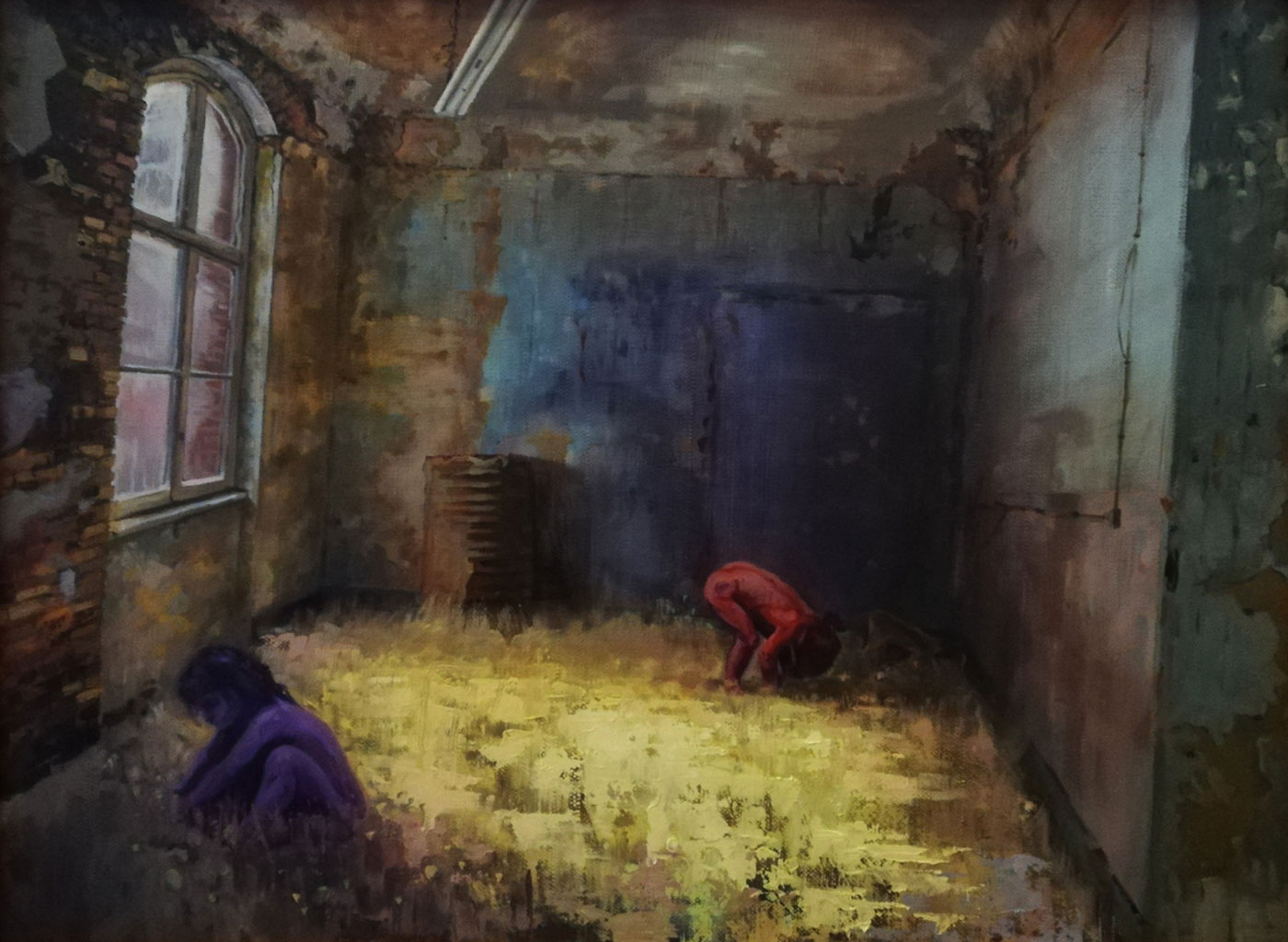
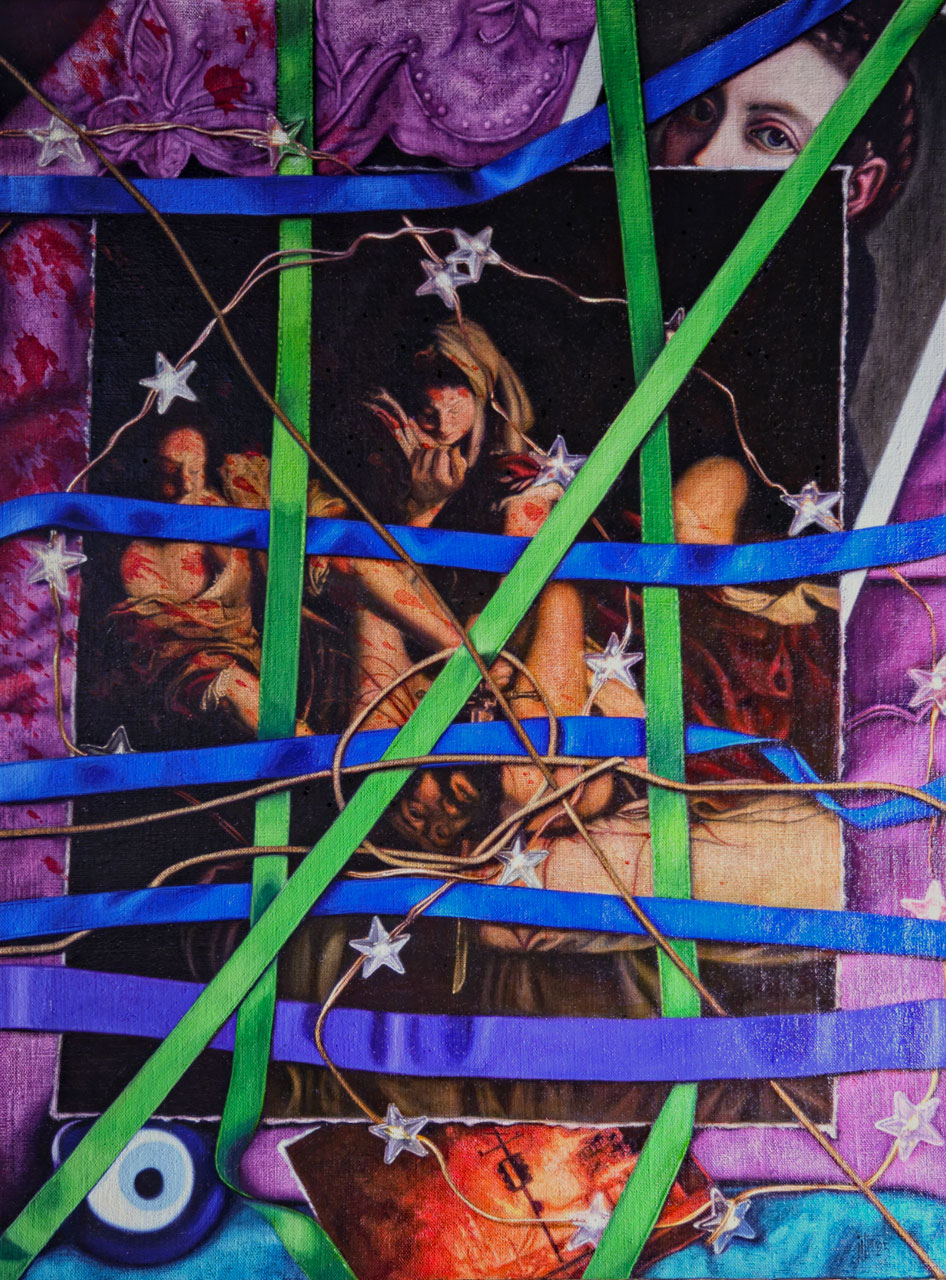
“Enworlding” explores the bringing together of worlds
through chunking, entangling, interconnectivity and
diffraction. Veering away from an anthropomorphic
centralism these artists blend nature in with body, both
human and animal. Blending into the discourse, Amir
Rahsaz, recently from Iran, reveals an extended
definition for enworlding that speaks to the
everchanging, pertinent and meddling impact that man has
on both the environment and his fellow kind.
-
By bringing into the world
artworks as a new appearance among the already existing
appearances, one that has never appeared before, the
artwork enworlds. It occupies a space in the world. In
conjunction, a temporal element is also introduced. Kant
cites space and time as essential, a priori, to our
being able to sense and then think on the encounter with
the world as it appears to us. Art, as it appears in its
newness, can illicit an experience. Since there is the
potential for meaning inherent in the encounter, the
reception of art is dependant on the viewer's
perception. They bring to the experience an expectation
that is informed by their own past experiences. And
since reception requires a devoted time, they give of
themselves.
-
Here, a Kantian notion is
brought into play, that of 'chunking'. The artwork must
first sufficiently engage the viewer to cause a pause,
for time is now at play in the space before the object
that has appeared. If the viewer recognizes an aspect in
the art piece to which they intuitively respond, they
'chunk' onto it in a way that allows them to further
create connections based on their own experiences. This
entanglement brings them in line with meaning and can
lead to further associations which reinforce the feeling
of identification. It might be the thread that draws
them closer to chunk on detail. Sensation in response to
a bleeding colour, surprise at the handling of a medium,
unique configurations of elements or subject matter
striking a personal chord – all involve chunking and,
subsequently, entanglement.
-
From a pragmatic
perspective, John Dewey places emotion as a driver in
artistic expression. He frames emotion, which leads to
expression, within the concept of resistance. Resistance
is that which forms the impetus towards change. Kantian
essentials appear. Time must be pushed aside to make an
artwork. Space must be cleared for the new artwork to
occupy.
-
'Enwolding' (Verwletichung)
is a term referenced in transcendental phenomenology,
first coined by the German philosopher Eugene
Fink-Edmund Hurssel. Verwletichung also seems to relate
to 'chunking' but the German phrase that describes the
philosophical concept is aufteilen in abschnitte.
Whether the exhibition “Enworlding” is approached from
the concept of chunking, emotion or expression, the
experience of connecting worlds and inventing new
realities is foremost.
e Feught
We
look towards the far distant for a sense of something other than
the hum-drum existence that often takes over our routine lives.
Vacations, videos, reading, music – all become the escape routes
to enrichment. Afar Per se
fulfills the wanderlust and slakes the thirst for exoticism,
transferring a National Geographic mind frame into the refined
halls of high culture.
Amar
from Afar is actually residing and working quite close for his
studio is in Lumby, BC – yet that fact could translate into a
rather exotic imagining for a New Yorker. Headbones Gallery
visited the artist’s studio in the fall and were rewarded with a
revelation as expanding as that of visiting another country.
Amar’s work is not static. It reaches backwards in time as it
projects forward and seldom is there only a surface meaning. But
this is not a plea for nostalgia or even a reinforcement of
exotic otherness for Amar doesn’t let the image rest. He pokes
at it, jabs at it with the dissonance of virtual life and in
doing so pulls his visual story line into the theatrical realms.
There is a taste of intrigue, plot, climax and even the
potential for a narrative resolution. He gives us sufficient
clues but doesn’t reveal the ending.
Diane
Feught’s actual past, present and future have rarefied
beginnings. Feught grew up in an Anglican home. As an adult, she
lived in a Buddhist priory in Edmonton for seven years where she
experienced the lush overlap of philosophical, spiritual and
cultural diversity while still living in the heart of a
‘typical’ Canadian milieu. Her oil paintings and gouaches leave
room for study as well as speculation as to their narrative
source. Often with a strong composition that supports the drama
of the imagery, her technique – impeccable and practiced –
supports the strangeness of her subjects by granting an
immediate viability to the juxtaposition of elements. The
overwhelming perfection and balance take over any doubt at the
unusual imagery. Feught also backs her innuendos with
information, detailing with a precision to provoke applause.
Afar
Per se
- what does it mean? Per se does not only mean “intrinsically”
but also, “by, of, for or in itself”. It seems a fitting
description of the works of Amar from Afar and Diane Feught with
all of the allusions to otherness that they inspire.
The
opening reception for Afar
Per se is Friday, November 11, which is
Remembrance Day and
11/11/11. Even the date is fittingly evocative yet cryptic.
Trance
and Nilt to cosmic Eastern sounds and melodies during the
opening reception with Daniel
Stark on sarode,
Bill Boyd on cello and
Gaz on guitar.
|

 This Work by Steve Mennie
LINKS
This Work by Steve Mennie
LINKS